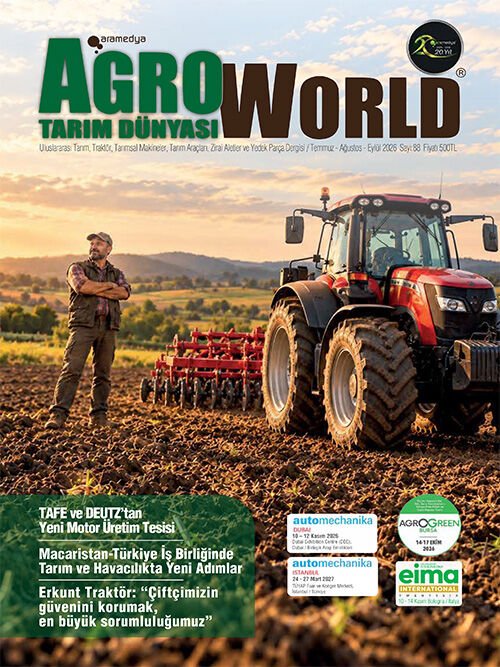

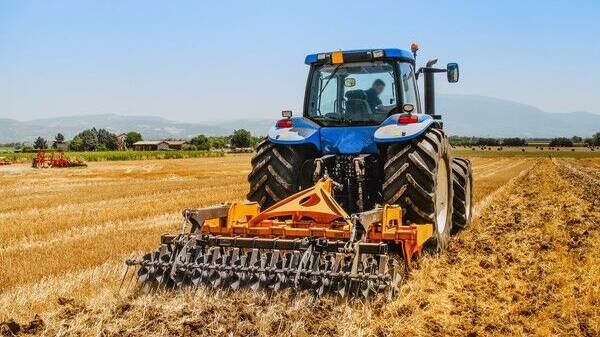
Italy’s agricultural machinery market experienced a slowdown in the third quarter of 2026, following positive sales performance earlier in the year. According to data released by FederUnacoma during the EIMA International 2026 press conference, rising inflation, geopolitical uncertainty, and unfavorable weather conditions have weakened agricultural investment. Despite government incentives supporting machinery purchases, sales declined across major equipment categories between July and September.
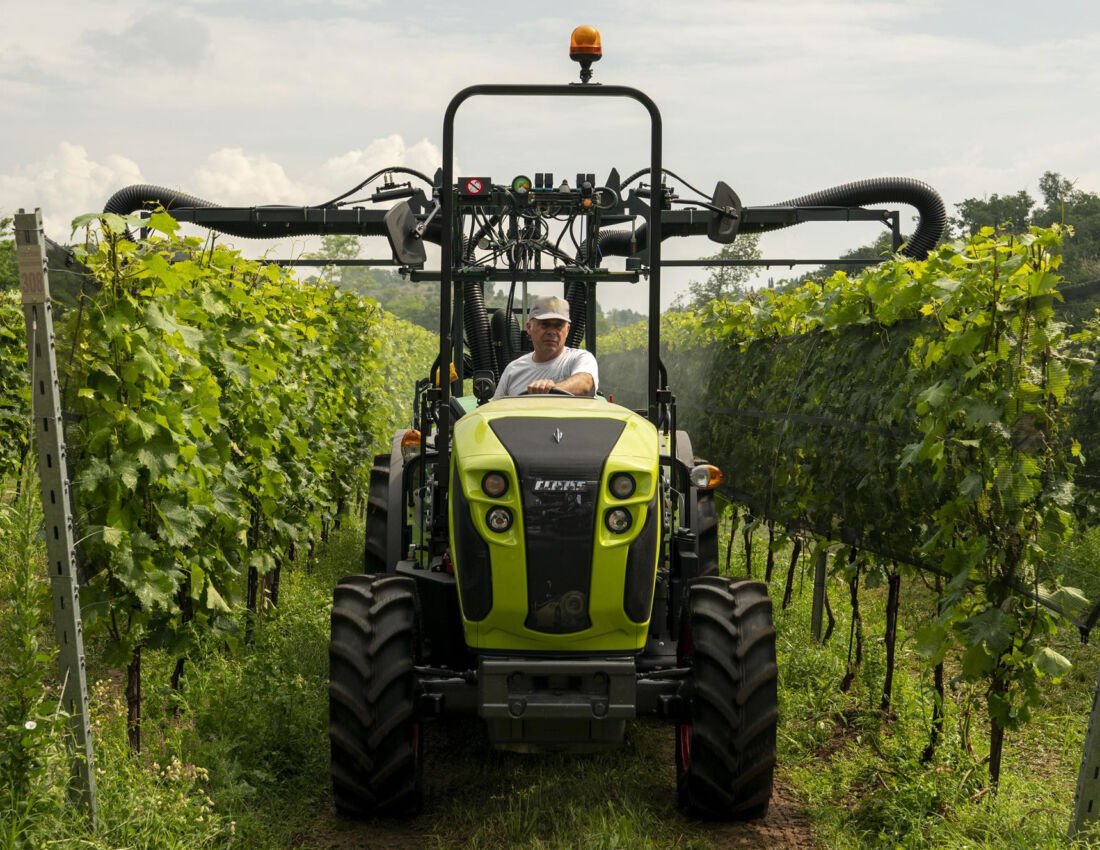
Tractor and Agricultural Equipment Sales Decline
During the third quarter of 2026, tractor sales in Italy dropped by 13.8% compared with the same period in 2025. Combine harvester sales declined by 37.5%, transporters by 18.2%, telescopic handlers by 16.2%, and agricultural trailers by 5.6%. Between January and September, tractor registrations reached 12,290 units, representing a 3.3% decrease. Meanwhile, combine harvesters recorded 12.4% growth with 235 registrations, while telescopic handlers increased by 9.3% to 916 units.
Economic Challenges Impact Agricultural Investments
FederUnacoma President Mariateresa Maschio highlighted inflation, geopolitical instability, and extreme weather conditions as key factors affecting agricultural machinery demand. Rising operating costs and uncertainty in agricultural production have reduced farmers’ willingness to invest in new tractors and advanced equipment. These challenges have contributed to weaker market performance despite the positive momentum recorded at the beginning of 2026.
Government Incentives Support Agricultural Mechanization
Government incentive programs, including the ISMEA Innovation Fund and INAIL workplace safety initiatives, continue to support the modernization of Italy’s agricultural machinery fleet. These programs encourage farmers to replace outdated equipment with more efficient and technologically advanced machinery. EIMA International 2026 will provide an important platform for discussing agricultural investment policies, exploring new business opportunities, and strengthening the future of agricultural mechanization.