
The agriculture industry is entering a new era as autonomous drones and artificial intelligence (AI)-powered data collection technologies become increasingly important tools in precision farming. As producers seek higher efficiency, lower input costs, and more sustainable operations, advanced digital solutions are changing how agricultural decisions are made and implemented across the field.
Precision agriculture continues to gain momentum globally by enabling farmers to collect, analyze, and act on real-time information. Among the technologies driving this transformation, autonomous drones and AI-supported analytics platforms stand out for their ability to deliver faster insights and improve operational performance.
Smart Farming Moves Beyond Traditional Monitoring
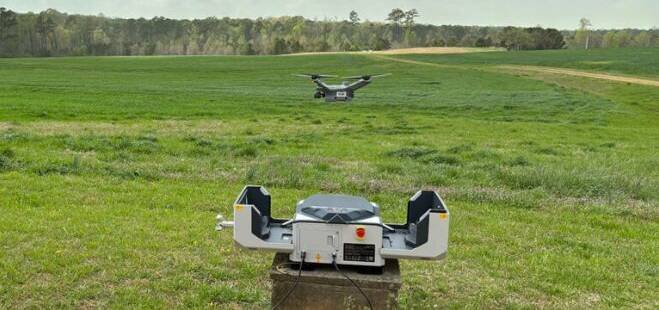
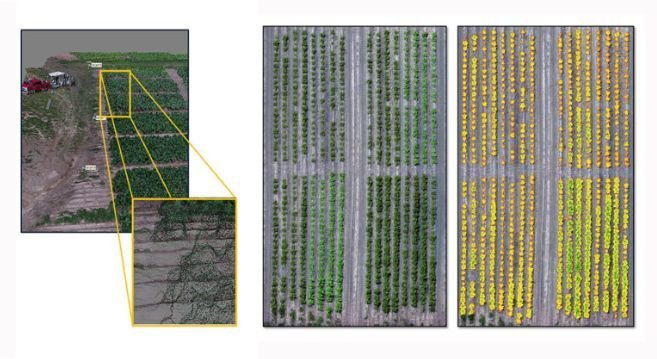
Unlike conventional field inspections, autonomous drones can cover large agricultural areas in shorter periods while collecting detailed visual and environmental data. Equipped with advanced sensors and imaging systems, these platforms monitor crop health, identify irrigation issues, detect early signs of disease, and evaluate field conditions with greater precision.
When integrated with AI-powered analysis tools, the collected data becomes actionable intelligence. Farmers can receive recommendations on irrigation schedules, fertilizer applications, crop protection measures, and yield optimization strategies based on actual field conditions rather than broad estimations.
Data-Driven Agriculture Supports Efficiency and Sustainability
The increasing use of AI in agriculture is helping producers optimize resources while improving productivity. Data collected through aerial monitoring allows more targeted interventions, reducing unnecessary use of water, fertilizers, and agricultural inputs.
This shift supports both economic and environmental objectives by lowering operational costs and minimizing resource waste. As sustainability becomes a central priority across the agricultural sector, precision agriculture technologies are expected to play an even greater role in future farming models.
Autonomous Systems Accelerate Decision-Making
One of the major advantages of autonomous drone technology is speed. Continuous data collection combined with automated analysis shortens the decision-making cycle and enables producers to respond more rapidly to changing conditions.
The ability to generate near real-time field intelligence supports more accurate planning and helps reduce risks associated with weather variability, crop stress, and operational inefficiencies.
The Future of Precision Agriculture Is Becoming More Connected
Industry experts expect autonomous drones and AI-powered data ecosystems to become standard components of modern agricultural operations. As connectivity, machine learning capabilities, and sensor technologies continue to evolve, farms are increasingly transitioning toward integrated and predictive management models.
With digital transformation accelerating across agriculture, autonomous aerial technologies and AI-driven insights are positioned to redefine precision farming and shape the future of global food production.