

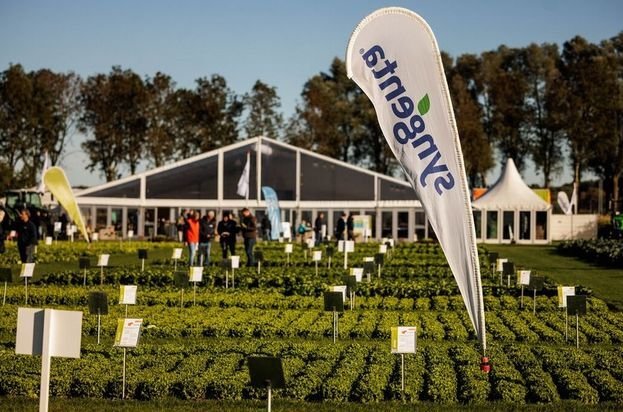
Syngenta Vegetable Seeds hosts Fields of Innovation 2026 in Grootebroek from 22–24 September (week 39). Those who walked the plots in 2025 heard the call: shield your yield, maximise every acre, grow beyond the ordinary. Fields of Innovation 2026 answers it – with a new generation of clubroot resistance, a significant step forward in onion disease genetics, and a biostimulant designed to improve how crops establish from day one.

Brassica, leafy, onion, pea, bean and sweetcorn varieties shown side by side in open-field demonstration plots at harvest maturity – ready to walk, compare, and judge for yourself. Connect directly with international visitors and Syngenta’s breeders and product specialists to discuss your operation.
New generation clubroot resistance: advancing protection, twenty years on
“We introduced the first clubroot-resistant brassica varieties over twenty years ago. Now we’re taking the next step forward. This new generation covers the most common strains. Growers who lost crops to Pb:2 breaking through their older resistant varieties, have a solution again,” said Koenraad Meyns, Product Specialist Manager.
Clubroot is the most damaging soil-borne disease in brassica production. Syngenta’s new generation of clubroot-resistant varieties covers the most common strains, including Pb:2.
In parallel, Syngenta has bred Mycosphaerella (ringspot) resistance into the cabbage range. Growers planting these varieties get protection against the primary soil-borne threat and the primary foliar threat in one genetic package, fewer spray passes, lower costs, less risk of crop loss in wet autumns.
Syngenta’s first very long day onion with Downy Mildew resistance
The SG8464 adds to an elaborate assortment featuring onion from short to very long day and with both fusarium and Downy Mildew resistant types. Syngenta onion experts will be able to show how this can help your business.