
The agricultural machinery industry is entering a new era as smart tractor technologies continue to transform modern farming. Manufacturers are increasingly focusing on automation, precision agriculture, connectivity and fuel efficiency to help farmers improve productivity while reducing operating costs.
Modern tractors are no longer limited to traditional field operations. Advanced models now integrate GPS guidance, telematics, automated steering systems, digital dashboards and precision farming technologies, allowing farmers to manage field operations with greater accuracy.
Precision Agriculture Becomes a Key Tractor Trend
Precision agriculture is becoming one of the most important developments in the tractor market. GPS-based guidance and automated steering systems enable tractors to follow precise routes, reduce overlaps and optimize the use of seeds, fertilizers and crop protection products.
Connected tractor platforms also allow farmers to monitor machine performance and operating conditions remotely. Data collected from agricultural machinery can help identify maintenance requirements, improve fuel management and increase overall operational efficiency.
Electric and Alternative Powertrains Gain Momentum
Sustainability is another major trend shaping the future of tractors. Tractor manufacturers are developing electric and alternative-power solutions designed to reduce emissions and fuel consumption, particularly for compact tractors and specialized agricultural applications.
Electric tractors can offer quieter operation and lower maintenance requirements, making them attractive for vineyards, orchards, livestock farms and other applications where compact machinery is required.
At the same time, conventional diesel-powered tractors continue to play a critical role in large-scale agriculture, while manufacturers work to improve engine efficiency and reduce emissions.
Autonomous Tractors Move Closer to the Field
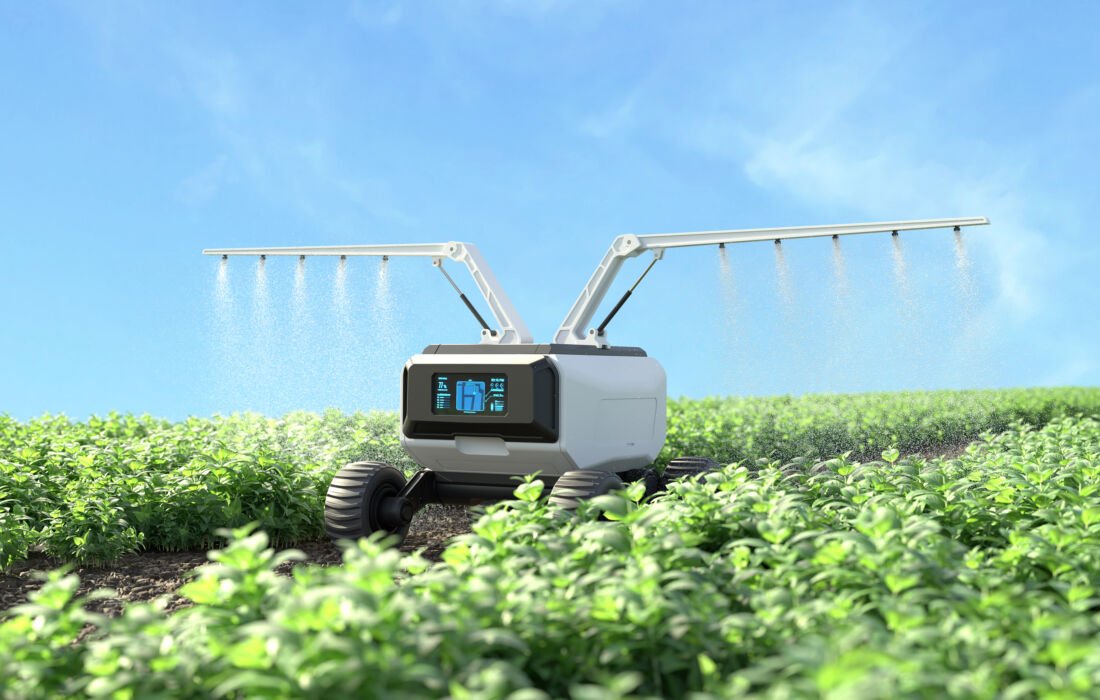
Autonomous tractor technology is also attracting growing attention from the agricultural sector. Self-driving agricultural machines can perform repetitive tasks with limited operator intervention, helping farmers address labor shortages and improve productivity.
The integration of artificial intelligence, cameras, sensors and satellite positioning is expected to further expand the capabilities of autonomous agricultural machinery.
The Future of Agricultural Machinery
As farming becomes increasingly data-driven, tractors are evolving into connected and intelligent platforms rather than simply serving as traditional field machines.
With advances in precision agriculture, automation, connectivity and alternative powertrains, the next generation of tractors is expected to play a central role in building more efficient, productive and sustainable farming operations.