

Bu siteyi kullanarak Gizlilik Politikası ve Kullanım Şartları'nı kabul etmiş olursunuz.
Kabul et
Agro World Tarım Dünyası DergisiAgro World Tarım Dünyası DergisiAgro World Tarım Dünyası Dergisi
  • Agrotech
  • Haberler
  • Fuarlarlar
  • Traktör
  • Sektörel Bakış
  • Sürdürülebilirlik
  • E-DergiYeni
  • News
Bildirimler
Yazı Tipi BoyutlandırıcıAa
Agro World Tarım Dünyası DergisiAgro World Tarım Dünyası Dergisi
  • Haber
  • Agrotech
  • Sürdürülebilirlik
  • Sektörel Bakış
  • E-Dergi
  • Agrotech
  • Haberler
  • Fuarlarlar
  • Traktör
  • Sektörel Bakış
  • Sürdürülebilirlik
  • E-DergiYeni
  • News
Bizi takip edin
News

Ammonia heralds smell of success

12 Temmuz 2024
Paylaş
Bu haberin okuma süresi 2 dakikadır.
PAYLAŞ

Hydrogen has to be stored at -253 ºC as a liquid, or at pressures of around 700 bar as a gas. By contrast, liquid NH3 can be stored at a temperature of -33 ºC at standard pressure, or at +20 ºC at 9 bar. That makes storing and transporting it far easier and more straightforward.

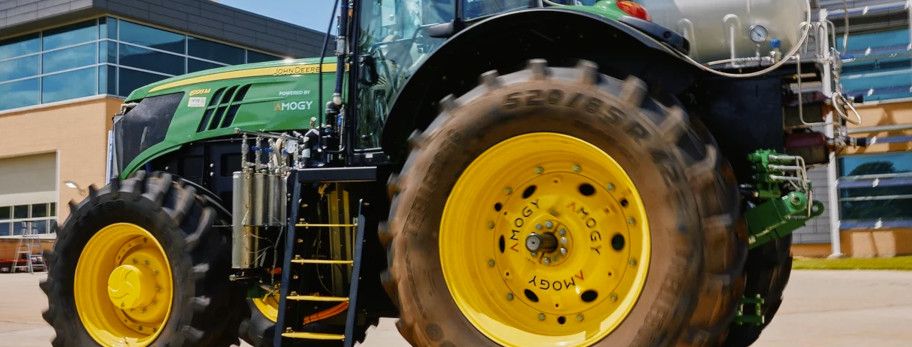
The Amogy system consist of a standard liquid-storage tank and highly efficient ammonia-cracking modules integrated into a hybrid fuel cell system, which can provide consistent primary power for several hours from a fuel tank.

Ammonia cracking occurs at high temperatures, typically around 800 ºC, but integrating the cracking module with the fuel cell provides the power for heating the cracker as well as powering the motors in the tractor.

The ammonia is fed into the cracking module, where it is split into nitrogen and hydrogen; 75% of the gas consists of hydrogen. A small amount of NH3 (100 ppm) is not converted and left over in the gas stream.

The company is planning a demonstration of Class 8 trucks and shipping vessels with a 1 MW system in the next year using the technology. Ammonia is already a globally traded commodity, with 20 million tons of the chemical shipped each year among almost 200 ports. This existing transportation and storage infrastructure is key for electric ships.

Researchers in Germany are also planning a demonstration of an ammonia-based fuel cell system for shipping by the end of next year.

This system, developed at Fraunhofer IMM, uses a passive catalytic converter to reduce the 12% of the hydrogen and residual NH3 that leaves the fuel cell unused. The Fraunhofer design uses a  corrugated metal foil coated with a powdered layer of catalytic particles that contain platinum to trigger a chemical reaction with air so that the only end-products are water and nitrogen.

This technology will be used in the Viking Energy, a supply vessel owned by the Norwegian shipping company Eidesvik.

Bu haberler ilginizi çekebilir

World Farmers Day 2026 Highlights the Importance of Sustainable Agriculture
Elicit Plant Names Boualem Saidi as EMEA Business Head
DEUTZ-FAHR Launches Series 8
DEUTZ-FAHR Powers BKT Euskadi Roadshow Across LALIGA Cities
AgroFresh opens new Asia Pacific R&D Center
ETİKETLENDİ:agrcultureAgriculturenews

Aylık Haber Bültenine Kaydolun

Gelişmeleri takip edin! Güncel haberleri doğrudan e-posta kutunuza alın.
Kaydolmakla, Kullanım Şartlarımızı kabul etmiş ve Gizlilik Politikamızda belirtilen veri uygulamalarını onaylamış olursunuz. İstediğiniz zaman aboneliğinizi iptal edebilirsiniz.
Bu Haberi Paylaşın
Facebook Bağlantıyı Kopyala Yazdır

Dergimiz Yayında

Okumak için Tıklayın
FacebookBeğen
InstagramTakip et
YouTubeAbone Ol
Türkiye’nin tarım ve teknoloji dünyasındaki sesi. Agroworld Dergisi, akıllı tarım uygulamalarından modern traktör teknolojilerine kadar geniş bir yelpazede güncel içerik, dijital dergi arşivi ve sektörel analizler sunarak geleceğin sürdürülebilir tarım dünyasına ışık tutmaktadır.
  • Künye
  • İletişim
  • Hakkımızda
  • Son Sayımız
  • Kullanım Koşulları
  • Reklam
  • Abonelik
  • Dergi arşivi
  • Fuar Takvimi
  • Gizlilik Politikası
banner
Tekrar hoşgeldiniz!

Hesabınıza giriş yapın

Kullanıcı Adı veya E-posta Adresi
Şifre

Şifrenizi mi unuttunuz?